
Joe Has Lobbied on Capitol Hill 17 Times: Everything he wants you to know
Was this most recent fly-in on May 5th, 2026 the first time you’ve attended a DC Fly-In for tax legislation?
No, this makes my 17th time. I've actually lost track. It's been since 2008.
How was the turnout?
We had approximately a hundred and fifty to a hundred and seventy people attend this year. It was a little down compared to the previous year, but traveling was a little bit more expensive, so I can understand that.
Who was this event organized by?
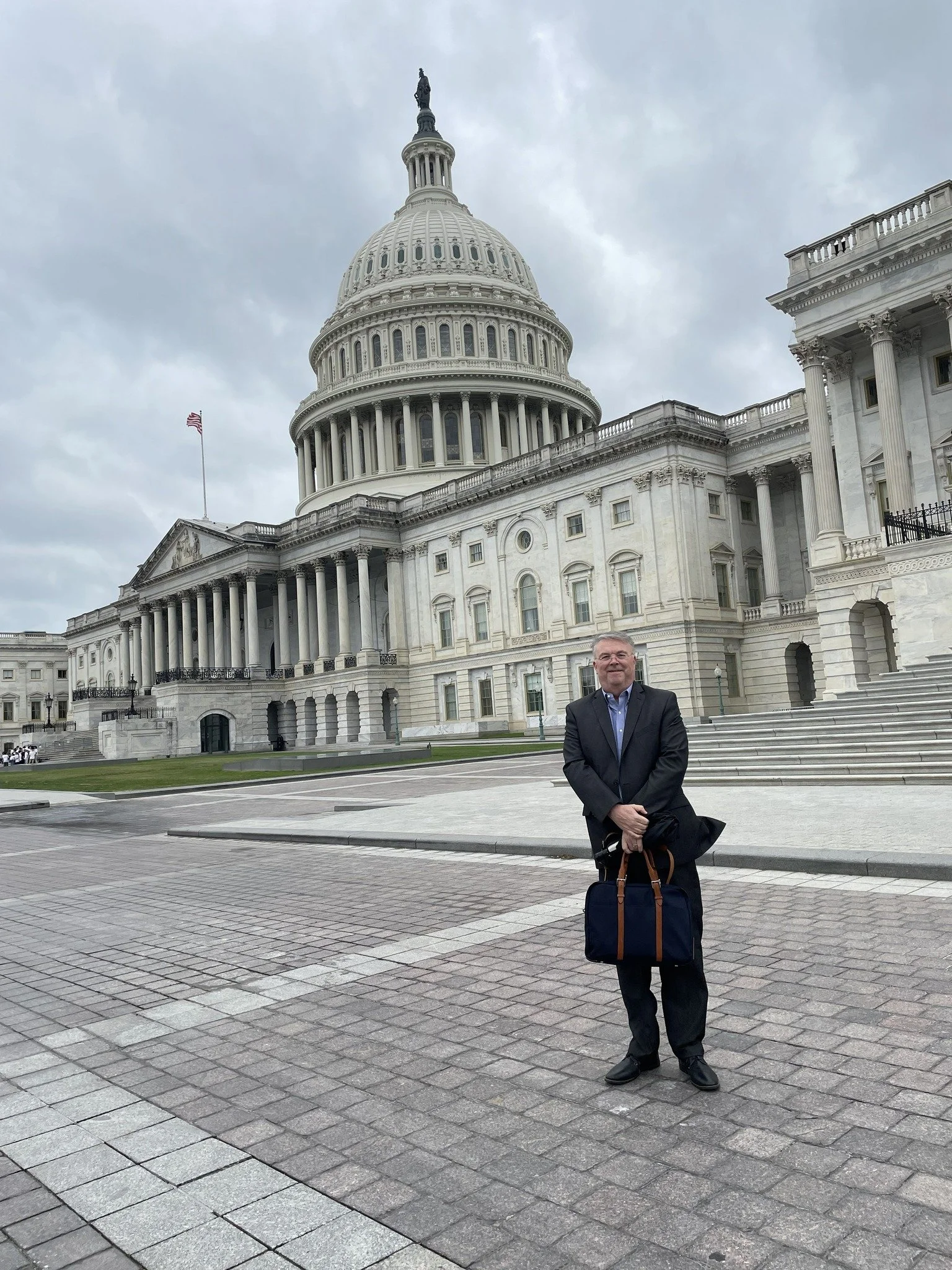
This is organized by the National Association of Enrolled Agents. It's a national tax organization actually based in Washington. And the purpose for this is taxpayer advocacy, where we gather annually in order to meet our congressional delegations from various states, and they arrange a lot of these appointments.
What can you expect to see at a DC Fly-In?
Our event has two days on two things that go on. The first day policy leaders come to speak to us. We got to listen to the current commissioner of the IRS, one of the policy advisors in the US Treasury. And then almost every year we have a panel of journalists from the Wall Street Journal, Politico that follow and cover tax policy in Washington. And then we have a handful of other individuals and usually a visit from one of the congressmen, congresswoman, or even a senator who's involved in tax policy making. So the first day is very educational and informative.
The second day, the association has already created the appointments or made the appointments for us to visit our particular delegates. So for me being from South Carolina, I saw Senator Tim Scott, Lindsey Graham, and our representative from my district, William Timmons. And you don't always go and see them. You see somebody from their staff.
And every representative, every senator has significant staff that not only engage with the constituents, but also help them in whatever tasks they have before them. So usually you go into the office, the appointment has already been made, they come out, they greet you, you sit in the room, or you may even go out in the hallway if it's really busy. Whatever space is open because there's lots of other people just like us doing the same thing. You may have the Realtors Association standing outside the offices or in the meet greeting area, and they're doing the same thing. So you go with a particular staffer and you know they're expecting you to ask for something.
So you exchange the cards and everything, have a little bit of chit-chat, and then you go right to it— this is what we would like to see as representatives of taxpayers and as tax professionals. And then when it's done, you shake hands, you get the card, and you do your follow-up after that. You offer to be a mini assistant. and then later on, the National Association may actually do a follow-up.
So it's very fast. It's not a long time, maybe 15 minutes, but you're going there with what you would like to see done. And they're expecting you to ask that.
Why do you feel it’s important for enrolled agents to attack these issues on a legislative level?
It's important not only for enrolled agents but anybody that's involved in tax policy, in order to better advocate for your clients and sort of see where everything is going so you can help them plan. Knowing what's on the legislative side gives you a bigger picture and a better understanding how tax policy plays out in a tax form.
What were some of your key takeaways from the legislative briefings?
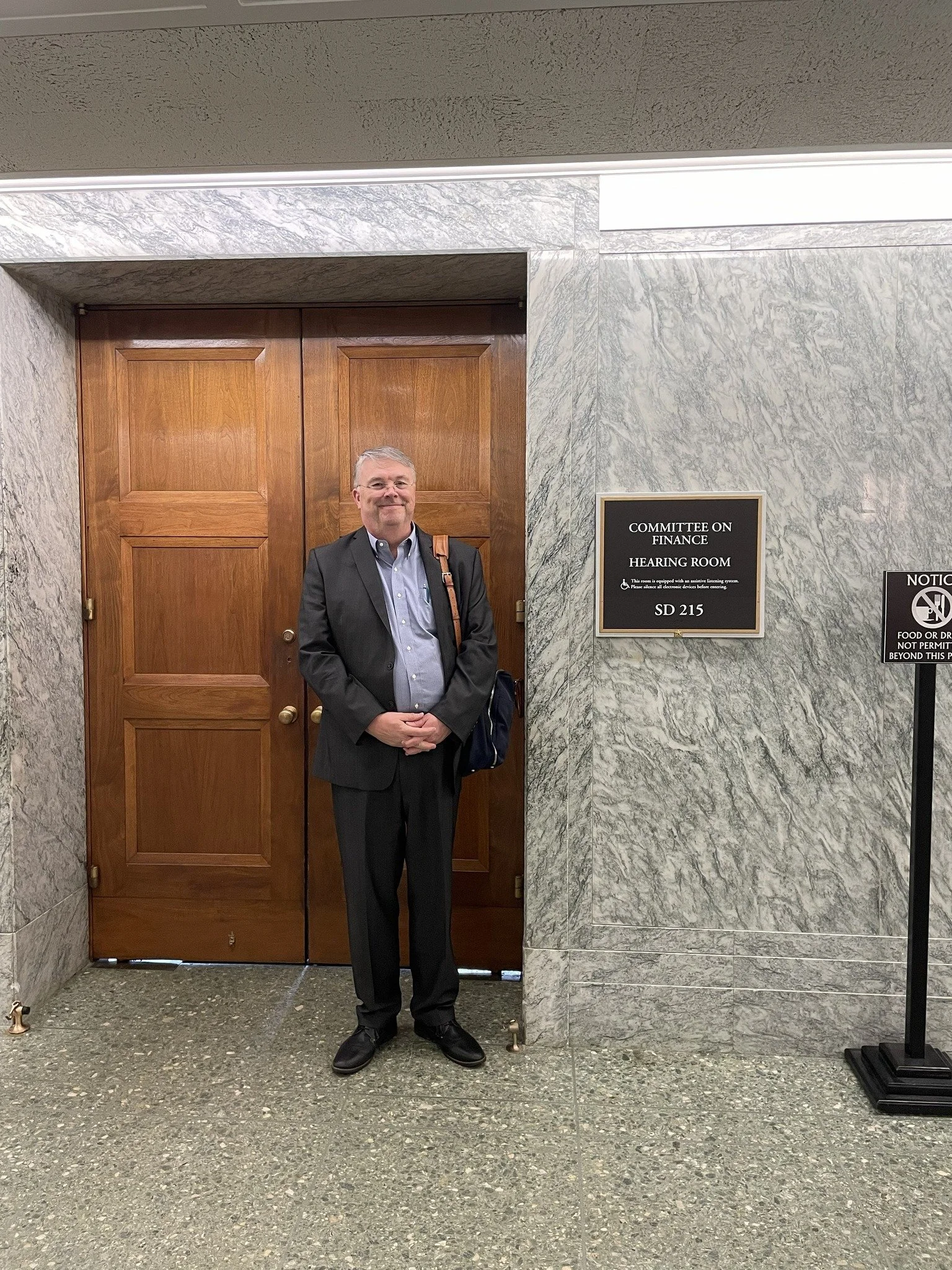
These are the primary takeaways, or the impressions that we got this year — every year is a little bit different, and it sort of fluctuates by election cycles. And this is an election year. When you talk to congressional delegation, whether it's your house or your senate, it doesn't matter what political party you tend to gravitate towards, they get a lot more cautious on election years. So fortunately, one of the things that we were trying to present were two bipartisan bills. Stuff that's a little bit easier to pass when you've got that warring going on, getting prepped up for a November election.
Can you give us a little more information about those two bills?
There is one on the Senate side, and it’s actually a comprehensive bill. Everything from the regulation of tax preparers, which sounds a little extreme, but anybody can hang their hat and say “I'm a tax professional” when they have had no education, nothing, in order to prepare themselves for it. It also includes a number of provisions for the greater digitization of the IRS so that there is more transparency between the taxpayer, the tax professional that might be helping them, and the IRS. It just helps them deal with the IRS better.
On the house side, it's actually more than one bill, but if you take all the different bills and put them together, you have everything that's in the Senate bill. So part of our promotion was let's pass all of this, it's bipartisan, but the House sort of needs to congeal that all into one piece of legislation instead of cherry picking it.
What do healthcare travelers have to gain if these bills are passed?
Any of our clients, because we're trying to stay on the forefront of tax policy, will most likely be able to get a greater insight on and sort of a forewarning on maybe coming down the pipe later because that helps you plan for your future— whether you're a traveling health care provider or any kind of multi-state or mobile professional.
The changes at the federal level often trickle down to the state. So we make you more aware because we're more aware.
Were the advocacy visits successful?
Because I've been going to this so often, it's successful on really two sides. One is what we're trying to promote. Yes, when you go to your congressional delegation's office and you talk with one of their staff, they see that. That is very important— the fact that you took the time to go there and see them makes it even more imperative from their perspective. So over those 15, 17 years that I've been doing this, we've seen a couple of pieces of legislation passed that we really were interested in seeing happen. And had it not been for those ongoing efforts and making connections with significant policy makers, whether they be senators, house, or just people that are on the policy group, that constant annual presence does make a difference. The other success it has is, because I've been doing this so long, I usually go see [my representatives], but I also precept Individuals who are doing this for the first time and go with them to their congressional representative's office. Usually when they have that first-time experience, they want to come back. So not only do we see the results of our advocacy, we also see that interest being developed downstream for even the younger enrolled agents and those that are in tax prep and representation.
What advice would you give to anyone who might feel hesitant to participate in advocacy work?
Try it.
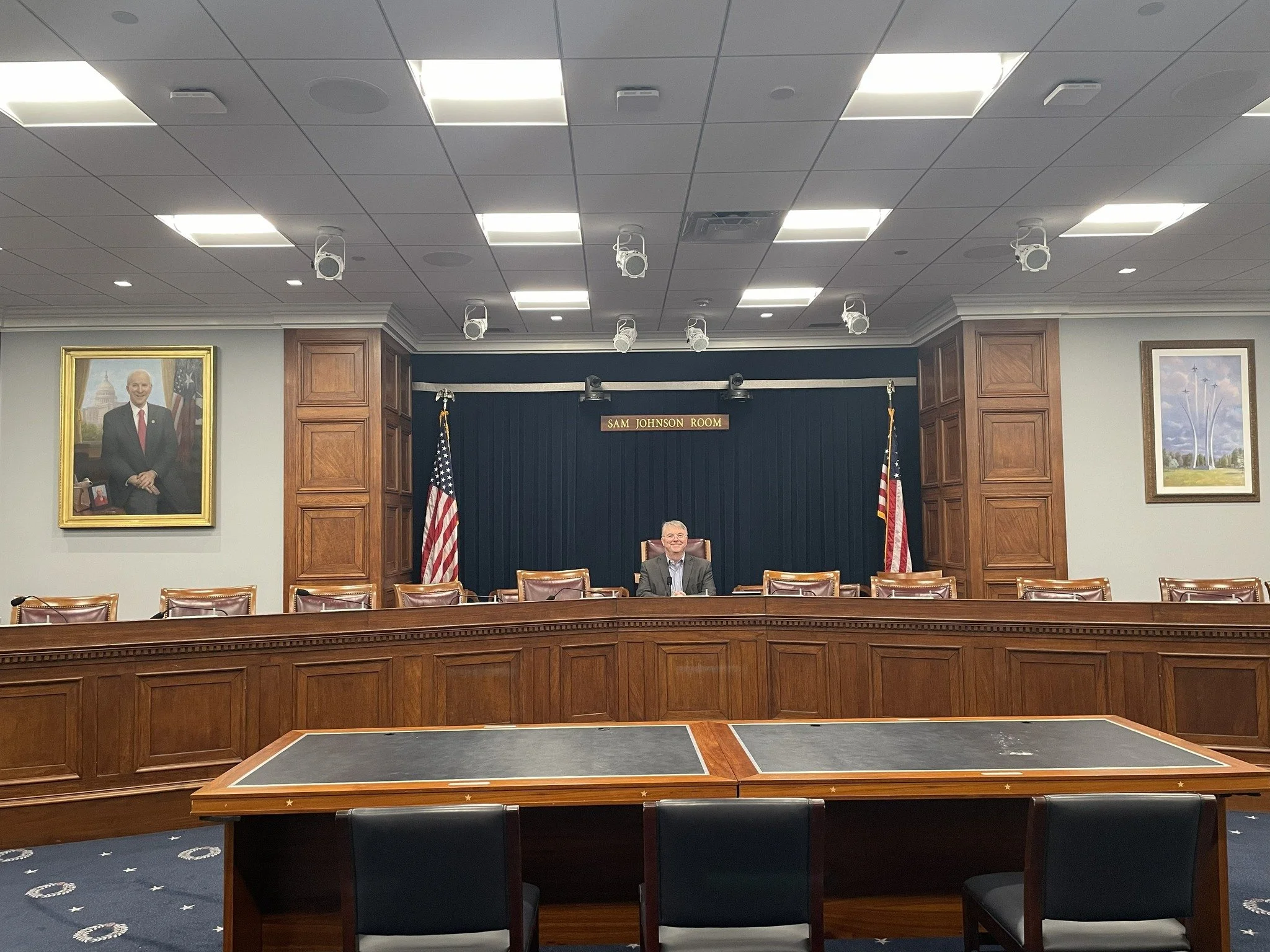
Oftentimes we look at something like that and go, what good am I gonna do? But until you've been there, seen it, in a lot of ways it helps you see how our government works. So it's not just tax policy that we were talking about. It's all the other issues that affect Americans on a daily basis. You have voted for individuals to represent you before Congress and vote in your place. So it gives you an opportunity to see what they have to do, what their limitations are, as well as what kind of leverage that they might have. The longer they've been there, and they're on certain committees, the more influence they may have, say on tax policy or any other issue that might be important to you.
Just being involved in how this country is run, whether you like it or not, whether you like who is there or not, you have to at least put yourself in there. And you learn a lot about how to even be a better citizen and a participant in the government that we put in place around us.