
What Taxes Looked Like in Ancient Greece
As early as the Neolithic era (around 4300 BC), money has mattered. A factor that tends to change as the ages go by is exactly what money means to society. In an individualistic society like modern-day America, money is a method of personal survival and social advancement. In a place like Ancient Greece, however, the priorities were in a different place, and that was reflected in their taxation system.
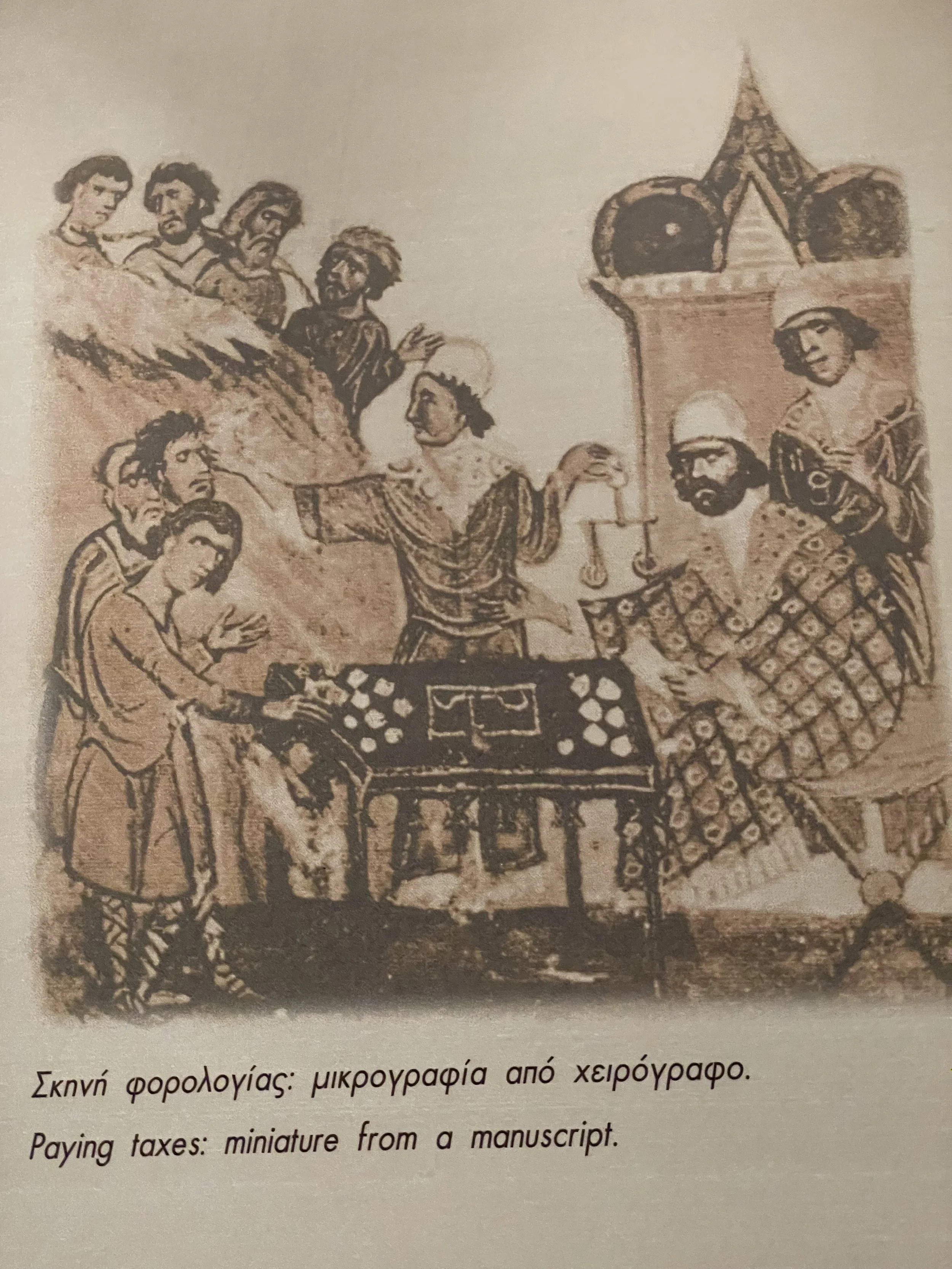
What made taxes so different then? To start, only the richest of the Ancient Greeks were taxed. Instead of imposing a tax on every citizen, only those who could afford to give were expected to. Even among the wealthier members of society, anyone could petition that they were not rich enough to pay taxes.
There were only two types of taxes imposed upon wealthy Greeks: Eisphora and Liturgies. Eisphora was implemented when the country was in dire need, like during times of war. Liturgies called for the richest of the rich to donate large amounts of money to certain efforts that contributed to the greater good of society.
If a warship needed to be built, a wealthy citizen could volunteer to fund it, oversee the whole process, and even lead an expedition. If a festival needed to be thrown to please a god, a wealthy citizen could volunteer to hire, train, and financially provide for an entire choir. Many social needs were fulfilled through Liturgies, including the building of temples and the performing of large-scale sacrifices.
Ancient Greece never had to worry about a lack of volunteers. Wealthy citizens were more than eager to give their money. Fulfilling Eisphora and Liturgies was a privilege, and the wealthy were held in high esteem for it. They donated with a sense of pride and accomplishment. Monetary value meant little in comparison to their civic duty to contribute.
While the Ancient Greece from our history books has long since disappeared, the way it valued wealth and imposed taxes can still serve as a valuable example for all modern societies.
Sources: The Conversation, Greek Reporter